Compliance support for DHS providers helps Minnesota agencies meet the licensing, documentation and audit standards set by the Department of Human Services. For 245D HCBS, 245A, home care, PCA and waivered service providers, a single missed deadline or outdated policy can trigger a corrective action plan or, in serious cases, a license suspension. Therefore, many providers now pair their accounting work with dedicated compliance help instead of scrambling after a reevaluation notice arrives. This guide explains what compliance support for DHS providers actually covers, why Minnesota's licensing rules make it necessary, and how a Minneapolis firm like HAR Financial Services keeps providers audit-ready throughout the year.
Quick answer: Compliance support for DHS providers combines bookkeeping, policy development and audit preparation so Minnesota 245D, 245A, home care and PCA agencies can pass licensing reviews without last-minute scrambling. It usually covers DWRS rate audits, NETStudy 2.0 background study tracking, corrective action plan responses and the financial documentation DHS reviewers expect to see.
What Is Compliance Support for DHS Providers?
Compliance support for DHS providers is the ongoing accounting, policy and licensing assistance that keeps Minnesota human services agencies aligned with state regulations. In particular, it is not simply bookkeeping — it means building financial records, staff documentation and internal policies that satisfy a DHS licensor during a reevaluation or audit.
Minnesota's Department of Human Services regulates providers under statutes such as 245D (home and community-based services) and 245A (the general licensing chapter). As a result, a 245D HCBS or PCA provider often juggles two overlapping rulebooks at once. Compliance support translates those rules into daily practice: reconciled books, current policy manuals, tracked background studies and documentation that matches what DHS asks for during a site visit.

Organized financial records are the foundation of compliance support for DHS providers.
Why DHS Providers in Minnesota Need Compliance Help
DHS licensing is unforgiving of gaps. For example, a 245D provider facing a reevaluation must show current staff training records, incident reports and client service plans, all at once. Meanwhile, waivered service and PCA agencies must also keep up with Disability Waiver Rate System (DWRS) cost reporting, which feeds directly into their reimbursement rates.
Consequently, providers that treat compliance as a once-a-year scramble often end up with inconsistent documentation. In contrast, agencies that build compliance help into their monthly routine tend to walk into a reevaluation with far less stress. According to HAR Financial Services' own client history, the firm has helped Minnesota clients secure more than $1,000,000 in grants and loans, work that depends heavily on clean, audit-ready financial records being available on demand.
Above all, NETStudy 2.0 background study compliance deserves attention. A lapsed background study can pull a staff member off the schedule immediately, which creates both a staffing problem and a licensing finding in the same moment.
Core Services Covered Under DHS Compliance Support
Solid DHS compliance support typically spans several connected services rather than a single task. Specifically, most Minnesota providers need:
- Reevaluation assistance that organizes documentation before DHS schedules a review.
- DWRS rate audits and appeals when a cost report undercounts allowable expenses.
- NETStudy 2.0 background study tracking so renewals never lapse unnoticed.
- Corrective action plan responses that meet DHS deadlines with complete documentation.
- 245D and 245A policy development, updated as licensing rules change.
- Healthcare accounting and cost reporting built to satisfy both DHS reviewers and lenders.
Importantly, these services work best together. A provider's financial records feed its DWRS submission, which in turn supports its licensing standing. As a result, separating bookkeeping from compliance work often creates blind spots that only surface during an audit.
How HAR Delivers Compliance Support for DHS Providers
HAR Financial Services builds compliance work directly into its bookkeeping and payroll services for Minnesota DHS-licensed providers. Rather than treating compliance as a separate project, the team folds reevaluation prep, DWRS support and background study tracking into the same monthly cycle as the books.
5 Steps to Build Compliance Support That Holds Up to Audits
- Audit current policies. Review existing 245D and 245A policy manuals against the latest DHS requirements to confirm staff training, incident reporting and client rights sections are current.
- Reconcile financial records monthly. Reconcile bank accounts, payroll and billing records every month so DWRS cost reports and licensing reviews reflect accurate, lender-ready statements at any point in the year.
- Track NETStudy 2.0 renewals. Build a tracking system for background study expiration dates so renewals happen before status lapses and disrupts scheduled shifts.
- Run an internal mock audit. Conduct a mock reevaluation using the same checklist DHS licensors use, covering staff files, policy binders and financial documentation, weeks before a scheduled visit.
- Respond within the required timeline. If DHS issues a corrective action plan, assign deadlines and responsible staff for each finding so the response is submitted complete and on time.
Furthermore, this is the same disciplined process HAR used when payroll processor Kotapay shut down. The firm migrated all 240 payroll clients to NatPay with zero missed payrolls and zero compliance gaps, a track record that reflects how the team handles high-stakes transitions under deadline pressure. For a deeper walkthrough of licensing specifics, see this guide to DHS licensing support for Minnesota providers.
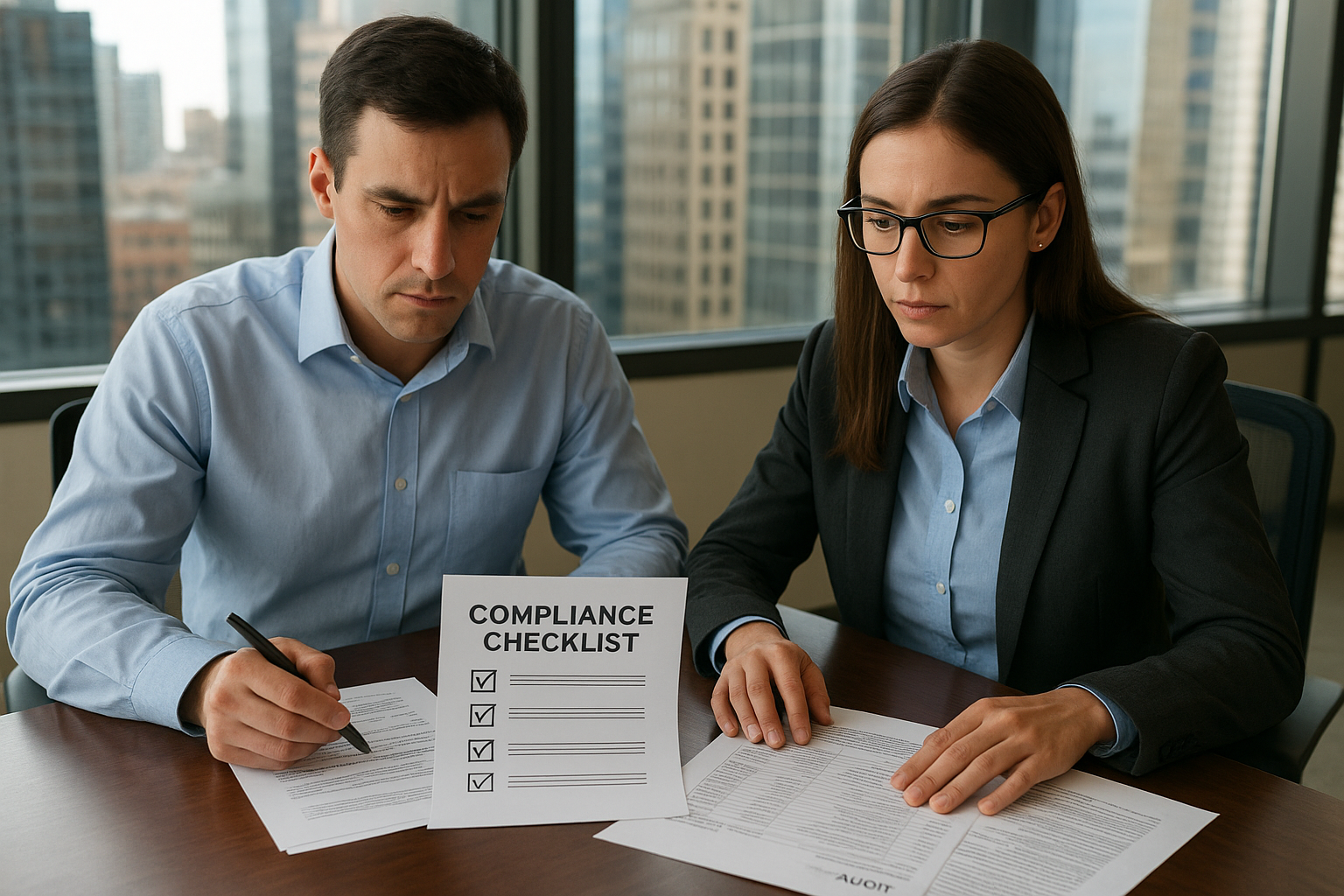
A mock audit before the official DHS visit catches gaps early.
Common Mistakes That Put DHS Licensing at Risk
Even well-run agencies stumble on predictable issues. For instance, policy manuals often go years without an update, even after DHS revises a rule. Similarly, background study renewals get missed when no single person owns the tracking spreadsheet.
In addition, financial records that are not reconciled monthly can misstate a DWRS submission, which may undercut a provider's reimbursement rate for months. Consequently, the appeal process to correct that becomes longer and more expensive than preventing the error in the first place. Likewise, providers sometimes wait until a corrective action plan arrives before building a response plan, which leaves little room for a careful, well-documented reply. Learn more about avoiding these pitfalls in this 245D consultant guide to Minnesota DHS compliance help.
Choosing a DHS Compliance Partner in Minnesota
Selecting a DHS compliance partner matters as much as the services themselves. Specifically, Minnesota providers should look for a firm that understands 245D and 245A rules directly, rather than a general accountant applying standard business bookkeeping to a licensed human services agency.
HAR Financial Services, founded in Minneapolis in 2006 by Rashid Mohamud, works from its office at 2304 Park Ave S and serves more than 600 clients across Minnesota and Wisconsin, including 240 on active payroll. The firm is BBB accredited, an IRS Authorized E-File Provider, and a member firm of both AIPB and NATP. Clients work directly with the person handling their books, with no call center and no rotating contact. The firm also runs its own HARbooks and HARpay platforms for bookkeeping and payroll. Providers exploring a switch can review the full DHS provider support services page, or start with the 245D policies and procedures compliance guide and the 245D licensing guide for Minnesota providers. HAR currently offers free catch-up bookkeeping and a free consultation, with no charge until after that first meeting.
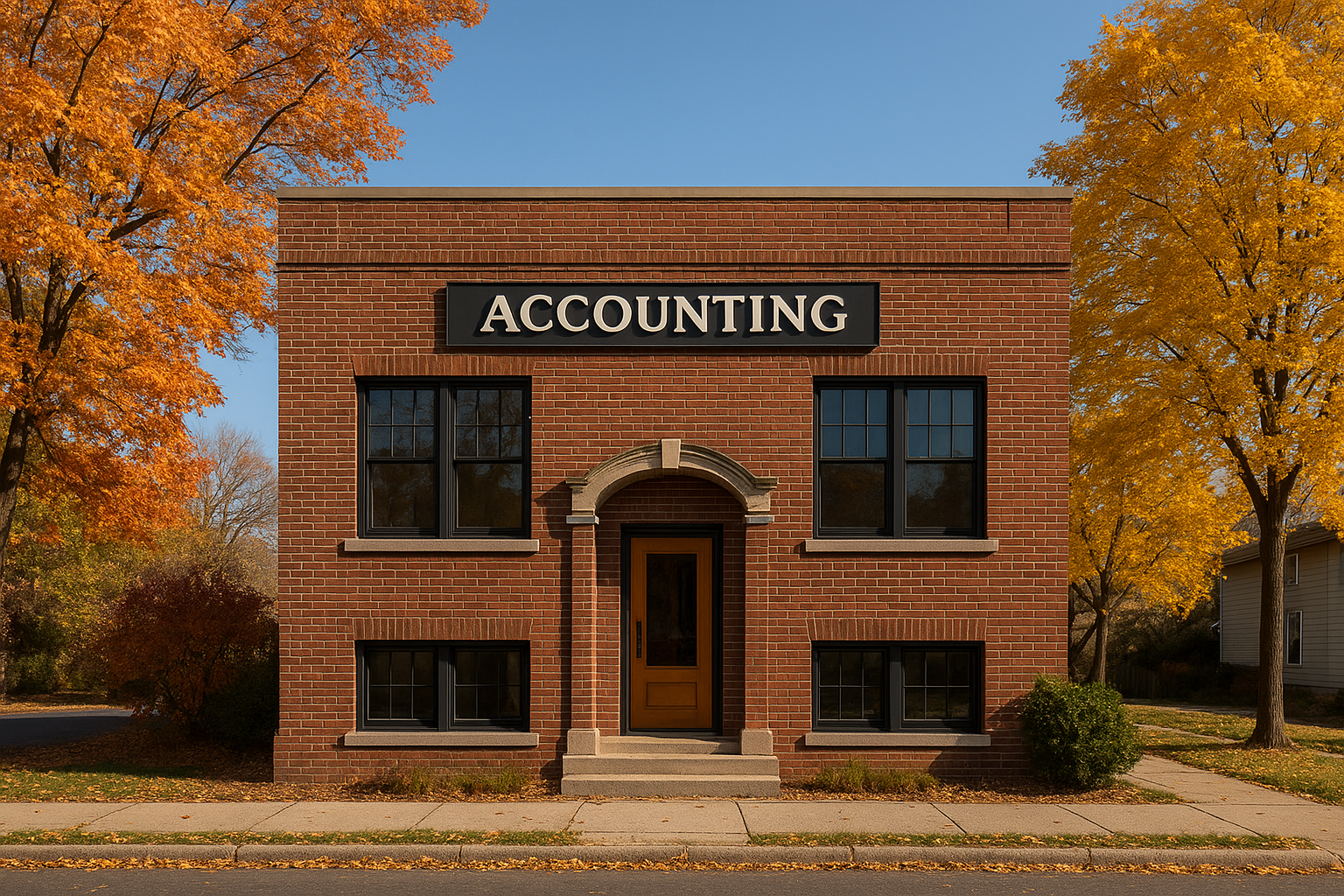
HAR's Minneapolis office at 2304 Park Ave S serves DHS-licensed providers in person.
Frequently Asked Questions About Compliance Support for DHS Providers
What is compliance support for DHS providers?
Compliance support for DHS providers is a combination of bookkeeping, policy development and licensing assistance that keeps Minnesota human services agencies aligned with Department of Human Services rules. It typically covers 245D and 245A requirements, DWRS reporting, NETStudy 2.0 tracking and corrective action plan responses.
How much does DHS compliance support cost?
Cost depends on provider size, number of sites and whether payroll and bookkeeping are bundled in. Most Minnesota agencies pay a monthly flat fee that covers bookkeeping, compliance monitoring and audit preparation rather than a per-task charge.
How long does a DHS reevaluation take?
A typical 245D reevaluation can take several weeks once DHS schedules the review and the provider submits requested documentation. Providers with organized financial records and current policies generally move through the process faster.
What is the difference between 245D and 245A licensing?
245A is Minnesota's general human services licensing chapter, while 245D applies specifically to home and community-based services like PCA and waivered services. Many providers hold both, which means compliance work must satisfy two overlapping sets of rules.
Why do DHS providers need NETStudy 2.0 compliance?
NETStudy 2.0 is Minnesota's background study system for staff working with vulnerable adults and children. Providers must track study expirations and renewals, since lapses can suspend a staff member's ability to work and trigger licensing action.
What triggers a DHS corrective action plan?
A corrective action plan is usually triggered by a licensing violation found during a site visit, complaint investigation or reevaluation. Common causes include missing documentation, expired background studies and outdated policy manuals.
How often does DHS review provider licenses?
Review frequency varies by license type and provider history, but most 245D and 245A providers undergo periodic reevaluations on a multi-year cycle. Providers with prior violations may face more frequent monitoring.
What records does DHS expect during an audit?
DHS auditors typically expect reconciled financial statements, payroll records, staff training logs, background study documentation and current policy manuals. Cost report auditors also expect records that tie directly to DWRS submissions.
Can bookkeeping errors affect DHS licensing?
Yes. Inaccurate books can misstate a DWRS rate submission or fail to support a cost report, which can raise red flags during a licensing review. Clean, reconciled records are a core part of compliance support for DHS providers.
What is a DWRS rate audit?
A DWRS rate audit reviews the cost data a disability waiver provider submits through Minnesota's Disability Waiver Rate System. Providers may appeal results if the audit undercounts allowable costs or misapplies a rate component.
How does HAR Financial Services help with DHS compliance?
HAR Financial Services combines bookkeeping, payroll and DHS-specific compliance work, including reevaluation assistance, DWRS audit support and NETStudy 2.0 tracking. The Minneapolis-based team has supported Minnesota DHS-licensed providers since 2006.
What is the best way to prepare for a DHS site visit?
Run an internal mock audit before the official visit, checking that policies, staff files and financial records are current. Addressing gaps early, rather than during the visit itself, significantly reduces the risk of a corrective action plan.
Do waivered service providers need separate compliance support from home care agencies?
Not necessarily, since many compliance tasks overlap. However, waivered service and PCA providers face additional DWRS rate reporting requirements that home care agencies without waiver contracts do not. A compliance partner familiar with both reduces duplicated work.
The Bottom Line on DHS Compliance Support
In the end, compliance support for DHS providers is not a single service — it is a routine. Monthly reconciliations, tracked background studies, current policies and a documented response plan for findings all work together to keep a Minnesota 245D, 245A, home care or PCA agency in good standing. As the Minnesota Department of Human Services continues to update licensing and reporting requirements, providers that build compliance into their everyday bookkeeping, rather than treating it as a once-a-year scramble, consistently fare better during reevaluations. For providers ready to put this into practice, HAR Financial Services offers a free consultation to review current books, policies and licensing status before the next DHS deadline arrives.