Background study compliance services MN providers depend on exist to solve one specific problem: making sure every employee, contractor and volunteer who touches a client's life is cleared through Minnesota's screening system before they ever work unsupervised. For agencies licensed under 245D, 245A, home care, PCA or waivered services, a single missed or mishandled background study can trigger a corrective action plan, delay a reevaluation, or put a license on the line. This guide breaks down what background study compliance actually requires, where Minnesota providers tend to slip up, and how a firm that already understands DHS licensing can keep the process running cleanly in the background.
Direct answer: Background study compliance services MN agencies rely on manage the full NETStudy 2.0 lifecycle, initiating studies, monitoring clearance status, filing documentation, and responding to disqualifications, so a DHS-licensed provider never has an uncleared employee with unsupervised client access.
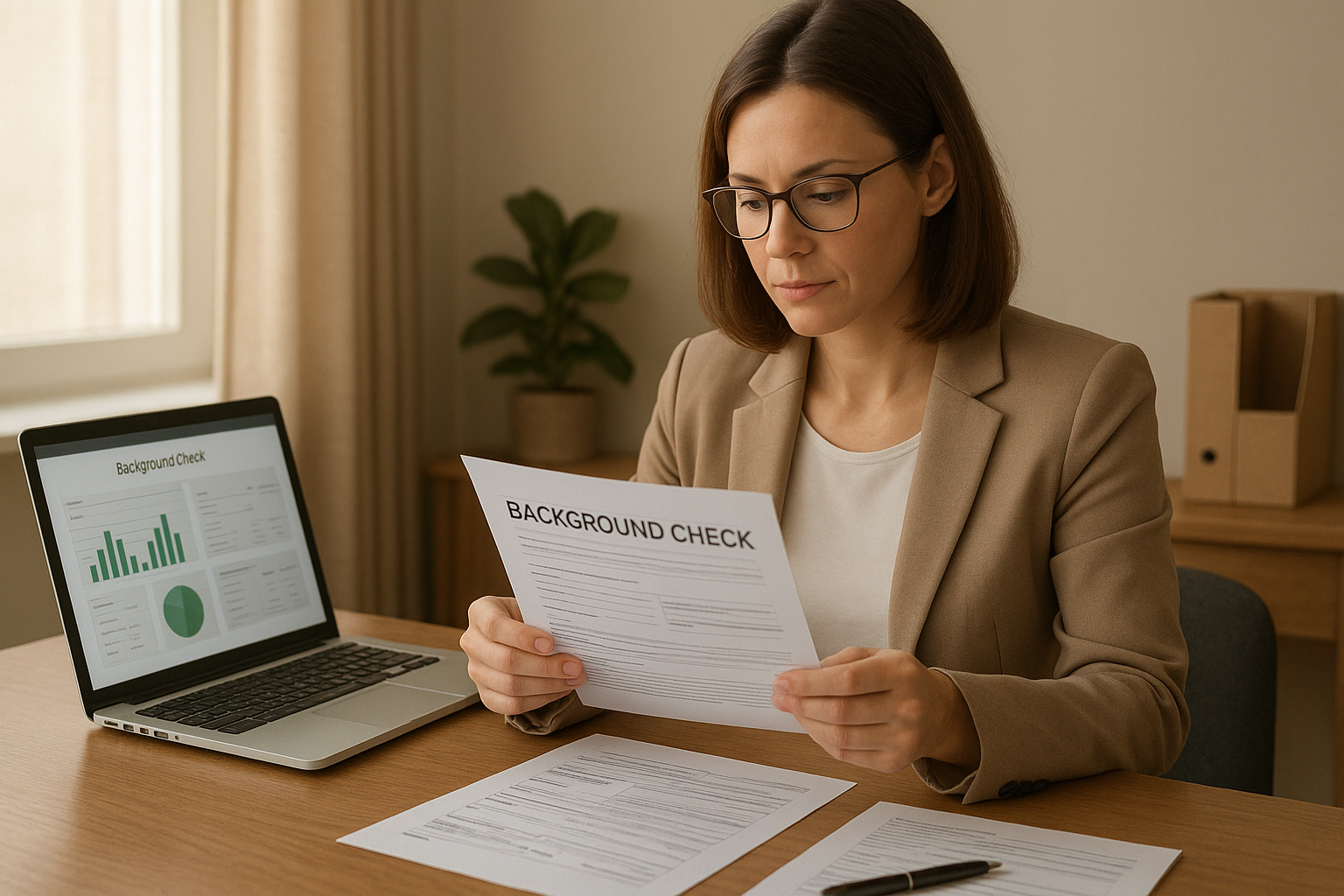
Careful documentation is the backbone of background study compliance services MN agencies count on during DHS reevaluations.
What Is Background Study Compliance in Minnesota?
Background study compliance, in simple terms, is the process of screening and documenting every person who has direct or unsupervised access to clients under a DHS license. Specifically, it covers initiating the study through Minnesota's online system, tracking the result, and keeping proof of clearance on file.
Under Minnesota Statutes section 245C, providers licensed through DHS, including 245D home and community-based services, 245A general licensing, home care agencies, and PCA programs, must have a cleared background study before an individual works alone with a client. Consequently, this isn't a one-time hiring task. It's an ongoing obligation that follows staff through renewals, role changes and reevaluations. For a deeper look at how this fits into broader 245D requirements, the 245D training guide to Minnesota DHS requirements walks through the full licensing picture.
Why Background Study Compliance Services MN Providers Trust Matter
Here's the reality: DHS reevaluations and DWRS rate audits almost always include a review of staff files, and background study gaps are among the most cited findings. In fact, a single uncleared employee discovered during a licensing visit can halt operations, delay rate approvals, or force an immediate staffing change.
That's exactly why background study compliance services MN agencies use tend to pair the paperwork with payroll and HR timing. Because new hires are onboarded through payroll at the same moment a background study should be initiated, bundling the two reduces the chance that a study gets missed during a busy hiring week. As a result, providers avoid the scramble that happens when a corrective action plan lands with a short deadline attached.
According to the Minnesota Department of Human Services, background studies are required under section 245C.03 for anyone with direct contact responsibilities in a licensed program. This statute applies regardless of employment type, meaning part-time staff, contractors and even some volunteers fall under the same rule.

Tracking study status in real time keeps DHS providers ahead of licensing deadlines.
Understanding NETStudy 2.0 Background Study Requirements
NETStudy 2.0 is Minnesota's online platform for submitting and tracking background studies. Essentially, it replaced the older paper-based process and now handles criminal history checks, maltreatment registry searches and other screening components in one system.
In particular, providers submit a study request, wait for a determination, and then store the clearance record for future audits. However, the system also flags renewals and changes in status, which means someone on the team needs to be watching it regularly rather than checking once at hire.
Furthermore, when a study returns a disqualifying result, the provider must immediately restrict that person from unsupervised access while any reconsideration or set-aside request is processed. Therefore, having a documented fallback plan, like reassigning duties on the spot, matters just as much as the initial screening itself.
Common Background Study Compliance Mistakes in Minnesota
Most compliance failures aren't dramatic. They're small gaps that pile up over time. Specifically, the recurring mistakes include:
- Allowing a new hire unsupervised access before NETStudy 2.0 returns a cleared result.
- Losing track of renewal timelines for long-tenured staff.
- Missing documentation when a DHS reevaluator asks for proof of clearance.
- Failing to act quickly on a disqualifying result or set-aside decision.
- Treating background studies as an HR-only task disconnected from payroll onboarding.
Similarly, many of these mistakes surface only during a DWRS rate audit or corrective action review, when it's far harder to fix retroactively. For providers already dealing with messy records, the catch-up bookkeeping services guide explains how falling behind in one compliance area often signals gaps in others.
How HAR Financial Services Handles Background Study Compliance
HAR Financial Services, based in Minneapolis at 2304 Park Ave S, works directly with 245D, 245A, home care and PCA providers across Minnesota and Wisconsin. Rather than treating background studies as a separate vendor task, HAR folds compliance tracking into the same relationship that already handles bookkeeping and payroll through HARpay. Here's the process the team follows for most clients:
- Initiate the study at hire. As soon as a client signs a new employee, HAR confirms the background study request is submitted in NETStudy 2.0 before onboarding paperwork is finalized.
- Restrict access until clearance. The team confirms with the provider that the new hire stays supervised until a cleared result is confirmed, avoiding any unsupervised-access violation.
- Organize the documentation. Clearance records, study IDs and dates get filed in a compliance folder that's ready to hand over the moment a DHS reevaluator asks.
- Monitor renewals on a schedule. Instead of a one-time check, HAR tracks ongoing study status so nothing quietly expires between licensing cycles.
- Build a response plan for disqualifications. If a result comes back flagged, the team helps the provider document the reassignment and pursue reconsideration without delay.
Beyond the background study piece, HAR also supports the full licensing picture, including DWRS rate audits and appeals, corrective action plans, and 245D policy development. More detail on how that fits together is available on the compliance services page.
Background Study Compliance Checklist for 245D and 245A Providers
For providers managing this in-house, a simple checklist helps prevent the gaps that show up during audits. Above all, consistency matters more than complexity.
- Confirm a background study request is submitted before an offer letter goes out.
- Keep new hires supervised until NETStudy 2.0 confirms clearance.
- Store clearance records in a single, auditable location.
- Review renewal dates quarterly, not just at hire.
- Document any set-aside or reconsideration outcome in writing.
In contrast to a once-a-year review, this kind of ongoing tracking is what actually holds up during a DHS reevaluation. For context on how 245D consultants approach this training, see the 245D compliance consultant training guide. Providers evaluating firms for this kind of support may also find it useful to compare options in the best accounting firm in Minnesota for 245D providers breakdown, or review general background check standards via Wikipedia's overview of background checks and Minnesota's own statutory language on the Minnesota Office of the Revisor of Statutes site.
Frequently Asked Questions About Background Study Compliance Services MN
What are background study compliance services MN providers need?
Background study compliance services MN providers need cover initiating, tracking and resolving NETStudy 2.0 background studies for every employee, contractor and volunteer with direct client contact. This includes monitoring study status, handling disqualifications, and keeping documentation audit-ready for DHS.
What is NETStudy 2.0?
NETStudy 2.0 is Minnesota's online background study system used by DHS to screen individuals working in licensed programs. It checks criminal history, maltreatment registries and other records before someone can have unsupervised access to clients.
Who is required to have a background study in Minnesota?
Under Minnesota Statutes section 245C, any employee, contractor, volunteer or license holder with direct or unsupervised access to people served under a DHS license must have a background study on file. This applies broadly to 245D, 245A and home care providers.
How long does a background study take to process?
Most NETStudy 2.0 background studies return results within a few business days, though complex cases involving out-of-state records can take longer. Providers should never allow unsupervised access before a study is cleared.
Why do background study errors trigger corrective action plans?
Missing, expired or mishandled background studies are one of the most common licensing violations DHS cites during 245D and 245A reevaluations. A single lapse can trigger a corrective action plan and put a provider's license at risk.
What is the difference between 245D and 245A background study requirements?
245A is Minnesota's general licensing statute covering most human services programs, while 245D adds specific requirements for home and community-based services. Background study timing, documentation and reevaluation triggers can differ slightly between the two.
How much do background study compliance services MN firms charge?
Pricing varies based on staff size and whether compliance support is bundled with bookkeeping and payroll. Many Minnesota DHS providers find bundled compliance, payroll and bookkeeping more cost-effective than hiring separate vendors for each function.
Can an employee work before their background study clears?
No. Minnesota law prohibits unsupervised access to clients until a background study is cleared through NETStudy 2.0. Providers that allow early access risk licensing violations during a DHS reevaluation.
What documents should providers keep for background study audits?
Providers should retain NETStudy 2.0 study results, reconsideration decisions, set-aside documentation and staff rosters showing hire dates. Keeping these organized makes DWRS rate audits and DHS reevaluations far less stressful.
How often must background studies be renewed?
Minnesota generally requires background studies to be renewed on an ongoing basis as staff continue in their roles, with specific triggers tied to licensing cycles and NETStudy 2.0 rules. Providers should not assume a single cleared study lasts indefinitely without monitoring.
What happens if DHS finds a disqualifying background study result?
If NETStudy 2.0 returns a disqualifying result, the individual generally cannot have direct contact with clients unless a set-aside is granted. Providers need a clear process for reassigning duties immediately while any reconsideration request is pending.
Can accounting firms help with background study compliance?
Yes. Firms that specialize in Minnesota DHS providers often combine payroll onboarding with background study tracking, since new hire paperwork and study initiation happen at the same time. This reduces the chance that a study gets missed during busy hiring periods.
What is the biggest mistake providers make with background studies?
The most common mistake is treating background studies as a one-time hiring task instead of an ongoing compliance obligation. Providers that fail to monitor study status, renewals and documentation often discover gaps only during a DHS reevaluation.
Final Thoughts on Background Study Compliance Services MN
In the end, background study compliance services MN providers choose should do more than file paperwork. They should catch a missed renewal before a DHS reevaluator does, keep staffing moving smoothly during hiring surges, and give owners one less thing to worry about while running a 245D, 245A, home care or PCA program. Because background study compliance ties so closely to payroll, documentation and licensing timelines, handling it alongside bookkeeping and payroll, rather than through a separate vendor, tends to close the gaps that cause the most trouble. HAR Financial Services works in person with Minnesota DHS providers from its Minneapolis office, and a free consultation through haraccounting.com is a reasonable next step for any provider unsure whether their current process would hold up under a reevaluation.