DH licensing support Minnesota providers rely on covers everything from initial 245D applications to ongoing DWRS rate audits and NETStudy 2.0 background study compliance. For Minnesota Department of Human Services (DHS)-licensed providers, licensing is not a once-a-year task. Consequently, DH licensing support Minnesota is the ongoing compliance, licensing and financial work that keeps 245D, 245A, PCA and waivered-service providers in good standing with state regulators. Without steady support, a single missed reevaluation or audit deadline can threaten a provider's ability to bill Medicaid or renew a license. HAR Financial Services, a Minneapolis accounting firm founded in 2006, has built its sharpest specialty around exactly this work.
Quick answer: DH licensing support Minnesota means pairing your bookkeeping and payroll with licensing-specific expertise — 245D policy review, DWRS audit prep, NETStudy 2.0 tracking and corrective action plans — so your Minnesota DHS license stays active and your Medicaid billing never stops.
What Is DH Licensing Support Minnesota Providers Need?
In short, DH licensing support Minnesota providers need combines two things most bookkeepers handle separately: financial recordkeeping and DHS-specific compliance knowledge. It typically includes 245D and 245A policy development, license renewal tracking, reevaluation preparation and coordination between your books and your compliance file.
For example, a home care agency applying for a 245D license must submit written policies covering service delivery, incident reporting and staff supervision. Meanwhile, a PCA provider undergoing reevaluation needs personnel files, background studies and financial records that all tell the same consistent story. Because these pieces overlap constantly, providers who separate their accounting from their licensing work often find gaps between the two. As a result, licensing support that understands both sides tends to catch problems before a state reviewer does.

DH licensing support Minnesota providers can lean on combines bookkeeping accuracy with DHS compliance knowledge.
Why Minnesota DHS Providers Need Ongoing Licensing Support
Minnesota's DHS licensing rules for 245D and 245A programs change often enough that keeping up requires dedicated attention. In addition, providers juggling payroll, client care and licensing paperwork rarely have spare hours to track every regulatory update on their own.
According to the Minnesota Department of Human Services, licensed home and community-based service providers must maintain current policies, staff background studies and financial documentation at all times, not just at renewal time. For perspective, HAR Financial Services has helped Minnesota clients secure more than $1,000,000 in grants and loans since 2006, largely because clean, audit-ready books make funding applications and licensing reviews far smoother. HAR currently supports over 600 clients, including 240 active payroll accounts, many of them DHS-licensed providers who need this exact combination of financial and compliance expertise.
Furthermore, waivered service programs funded through Medicaid, as described by Medicaid.gov, depend on accurate cost reporting to stay funded. Therefore, a provider's bookkeeping accuracy is directly tied to its licensing standing, not just its tax return.
Core Components of 245D Licensing Compliance
245D licensing compliance rests on a handful of recurring pillars. Understanding each one helps providers see where licensing support actually adds value.
- Written policies: Service delivery, behavior support and incident reporting policies must match actual practice, not just sit in a binder.
- Personnel files: Training records, background studies and job descriptions need to stay current for every direct-care staff member.
- Financial documentation: Payroll, expense allocation and cost reports must align with what is submitted to DHS and DWRS.
- Reevaluation readiness: Providers should be able to produce requested records within days, not weeks.
For a deeper walkthrough of these requirements, the 245D licensing checklist for Minnesota providers breaks each pillar into actionable tasks.
DWRS Rate Audits and Appeals Explained
DWRS stands for the Disability Waiver Rate System, Minnesota's method for calculating reimbursement rates for waivered services. In particular, a DWRS audit reviews whether the costs a provider reported actually match what was paid to staff and spent on services.
Consequently, providers with disorganized payroll records or inconsistent cost allocation are far more likely to face rate reductions after an audit. However, providers can appeal an unfavorable DWRS determination if they can show the original submission was accurate, or correct it with supporting documentation. Because appeals run on tight deadlines, most providers benefit from having bookkeeping records already organized before an audit notice ever arrives, rather than scrambling to reconstruct a year of transactions after the fact.
NETStudy 2.0 Background Study Compliance
NETStudy 2.0 is Minnesota's electronic background study system for anyone working in a licensed direct-care role. Specifically, it screens staff for disqualifying criminal or maltreatment history before they can have unsupervised access to clients.
Providers must submit a study before a new hire starts working directly with clients, and they must track re-study deadlines for existing staff. Missing a single background study, particularly for a new hire who begins work before clearance, is one of the fastest ways to trigger a correction order. As a result, many providers fold NETStudy 2.0 tracking directly into their payroll onboarding process so no new employee slips through without clearance.
How HAR Provides DHS Licensing Support in Minneapolis
HAR Financial Services works out of a renovated office at 2304 Park Ave S in Minneapolis, open from 10am to 5pm, where clients meet directly with the person handling their books. There is no call center and no rotating contact, which matters most when a licensing deadline is close and a provider needs a fast, informed answer.
Beyond bookkeeping and payroll through HARpay and HARbooks, HAR's team supports reevaluations, DWRS rate audits and appeals, NETStudy 2.0 compliance, corrective action plans and 245D or 245A policy development. Similarly, the firm carries BBB accreditation, active IRS e-file authorization and memberships in AIPB and NATP, credentials that matter when DHS or a lender reviews a provider's financial file. For a full breakdown of these services, visit the DHS provider support services page, or read the 245D license guide covering Minnesota DHS requirements.
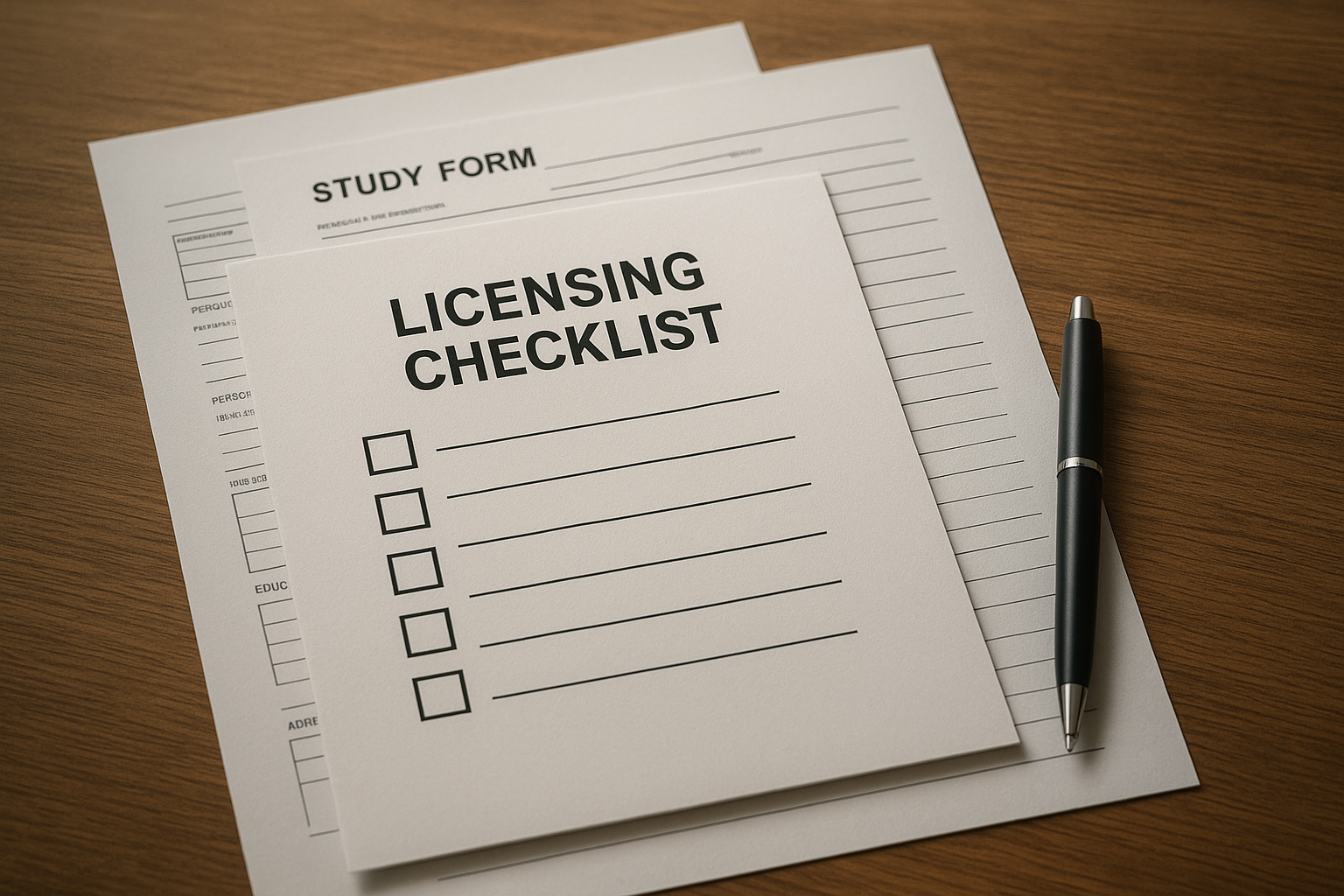
Keeping 245D paperwork organized year-round is central to DH licensing support Minnesota providers depend on.
Step-by-Step: Staying Compliant With Minnesota DHS Licensing
Providers who follow a consistent process tend to avoid last-minute scrambles. Below is the sequence HAR generally recommends to clients.
- Audit your current 245D or 245A license, note exact renewal and reevaluation dates, and flag any unresolved correction orders.
- Reconcile bookkeeping and payroll records tied to each licensed program so cost reports and DWRS submissions match your real financial activity.
- Organize NETStudy 2.0 background study confirmations for every staff member with client contact and check upcoming re-study deadlines.
- Prepare DWRS audit-ready cost reports, including labor allocation, benefits and program-specific expense tracking.
- File reevaluation paperwork early and respond to any correction orders with a documented corrective action plan.
For a longer version of this process tailored to group homes and 245D providers, see the group home licensing and 245D compliance guide.
Common Mistakes Minnesota DHS Providers Make With Licensing
Even experienced providers repeat a few predictable errors. Recognizing them early can save weeks of correction work later.
- Waiting until a reevaluation notice arrives to organize personnel files and background studies.
- Treating bookkeeping as separate from licensing, so cost reports and financial records do not match.
- Missing NETStudy 2.0 re-study deadlines for long-tenured staff.
- Submitting a corrective action plan without addressing the root cause, which often leads to repeat violations.
In contrast, providers who work with a firm familiar with the full picture, from payroll to licensing, generally catch these issues months before a reevaluation deadline. For a broader look at what a complete licensing file should include, the complete guide to 245D licensing for Minnesota providers covers the topic in more depth. You can also learn more about HAR's overall approach at haraccounting.com.

Audit-ready financial reports make DWRS rate reviews far less stressful for Minnesota providers.
Frequently Asked Questions About DH Licensing Support Minnesota
What is DH licensing support Minnesota, exactly?
DH licensing support Minnesota is the combination of bookkeeping, payroll and compliance work that keeps a Minnesota DHS-licensed provider's 245D, 245A, PCA or waivered-service license active. It covers reevaluations, DWRS rate audits, NETStudy 2.0 background studies and corrective action plans.
How much does DHS licensing support cost in Minnesota?
Cost depends on program size, payroll headcount and how often reevaluations or audits occur. Most providers bundle licensing support with monthly bookkeeping and payroll, which is generally more cost-effective than paying for help only after a crisis hits.
How long does a 245D license renewal take?
Timelines vary by program type and compliance history, but providers should start preparing documentation at least 60 to 90 days before expiration. Late or incomplete submissions are the most common cause of delays.
What is the difference between 245D and 245A licensing?
245D covers home and community-based services such as PCA, waivered and supportive living services, while 245A is Minnesota's broader human services licensing framework many 245D providers also fall under. In practice, most HCBS providers must satisfy both sets of standards.
What triggers a DWRS rate audit?
DWRS audits are typically triggered by routine reviews, rate exceptions, or discrepancies between reported costs and billed services. Inconsistent payroll records or missing cost documentation are common red flags.
How often do NETStudy 2.0 background studies need renewal?
Background studies generally must stay current for the duration of employment, with re-studies required at set intervals or when a role changes. Providers must also submit new studies before hiring anyone into a position with direct client contact.
What happens if a provider fails a DHS licensing reevaluation?
A failed reevaluation usually results in a correction order or conditional license, both requiring a corrective action plan within a set deadline. Repeated failures can lead to fines, license suspension or, in serious cases, revocation.
Can bookkeeping errors affect DHS licensing compliance?
Yes. Inaccurate payroll records, missing timesheets or unreconciled expenses can directly undermine a DWRS rate audit or cost report review. This is exactly why DH licensing support Minnesota providers use typically pairs licensing expertise with clean, audit-ready bookkeeping.
What is a corrective action plan and when is one required?
A corrective action plan is a written response to a licensing violation that outlines how a provider will fix the issue and prevent recurrence. DHS requires one whenever a correction order is issued during an inspection, audit or reevaluation.
How is DH licensing support Minnesota different from general bookkeeping?
General bookkeeping tracks income and expenses, but it does not address DHS-specific requirements like DWRS cost allocation, 245D policy documentation or NETStudy 2.0 tracking. Licensing support layers compliance expertise on top of standard financial records.
What are the most common mistakes providers make during DHS audits?
The most frequent mistakes are disorganized payroll records, missing background study documentation and waiting until the audit notice arrives to start gathering files. Providers who keep licensing paperwork current year-round rarely face major surprises.
How do I choose the right accounting firm for DHS licensing support?
Look for a firm with direct experience in 245D, 245A and DWRS work, not just general small business bookkeeping. Ask whether you will have a dedicated contact who knows your file, rather than a rotating queue of representatives.
Final Thoughts on DH Licensing Support Minnesota
In the end, DH licensing support Minnesota providers choose to work with determines how smoothly reevaluations, DWRS audits and NETStudy 2.0 checks go each year. Providers who treat licensing and bookkeeping as one connected system, rather than two separate tasks, generally avoid the correction orders and rate reductions that catch others off guard. Above all, having a dedicated contact who understands both your books and your DHS requirements makes the difference between reacting to problems and preventing them. HAR Financial Services has spent nearly two decades building that kind of support for Minnesota DHS-licensed providers, and a free consultation is a straightforward way to see where your current licensing file stands.